By Ugur Unal, Business Development Manager, Vanguard Engineering
By Ugur Unal, Business Development Manager, Vanguard Engineering
Dock-Mobile vs. Road-Mobile Ship Unloaders: Which Setup Fits Your Terminal?
A question I get almost as often as “pneumatic or mechanical” is a narrower one: within pneumatic unloading, should a terminal go dock-mobile or road-mobile? The instinct is to assume mobile always beats fixed, more flexibility has to be better. That instinct is wrong often enough to be worth correcting. The real question isn’t how mobile the unit is. It’s what vessel size and call pattern the terminal actually deals with.
What “Mobile” Actually Means for Each Version
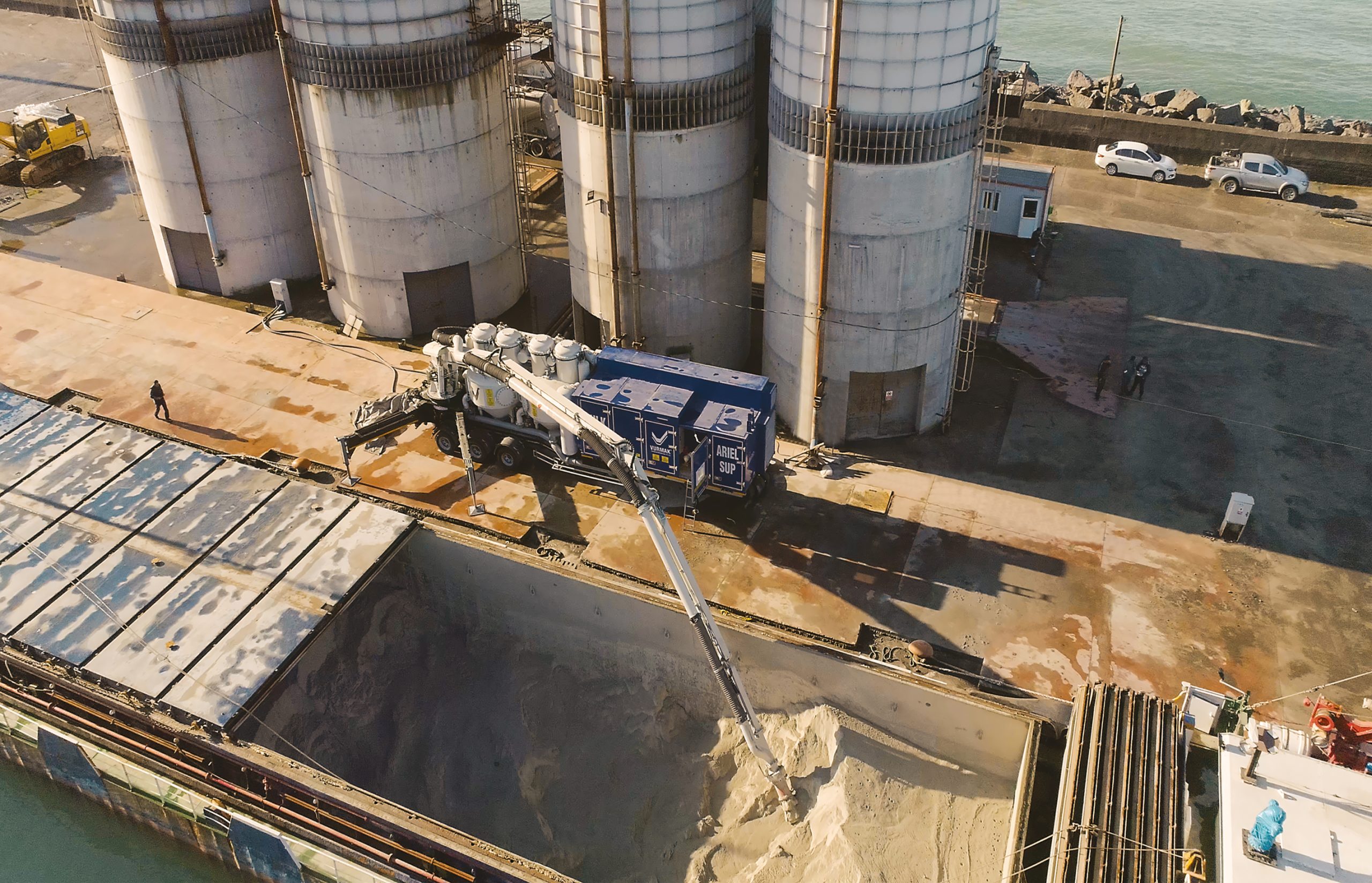
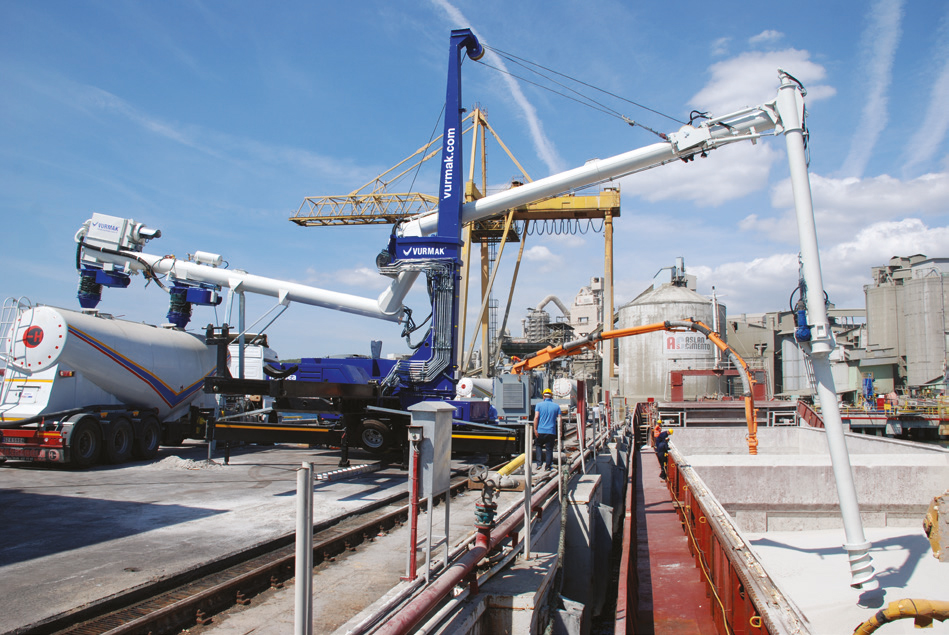
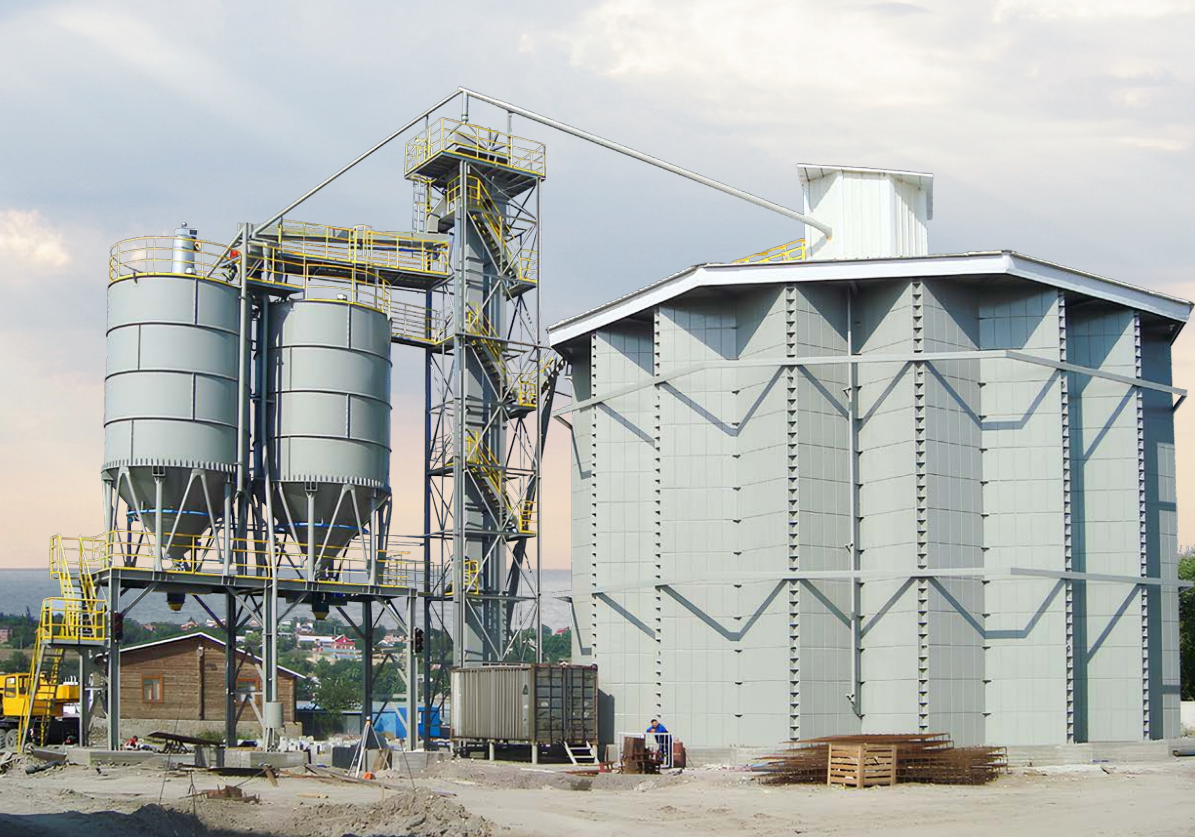
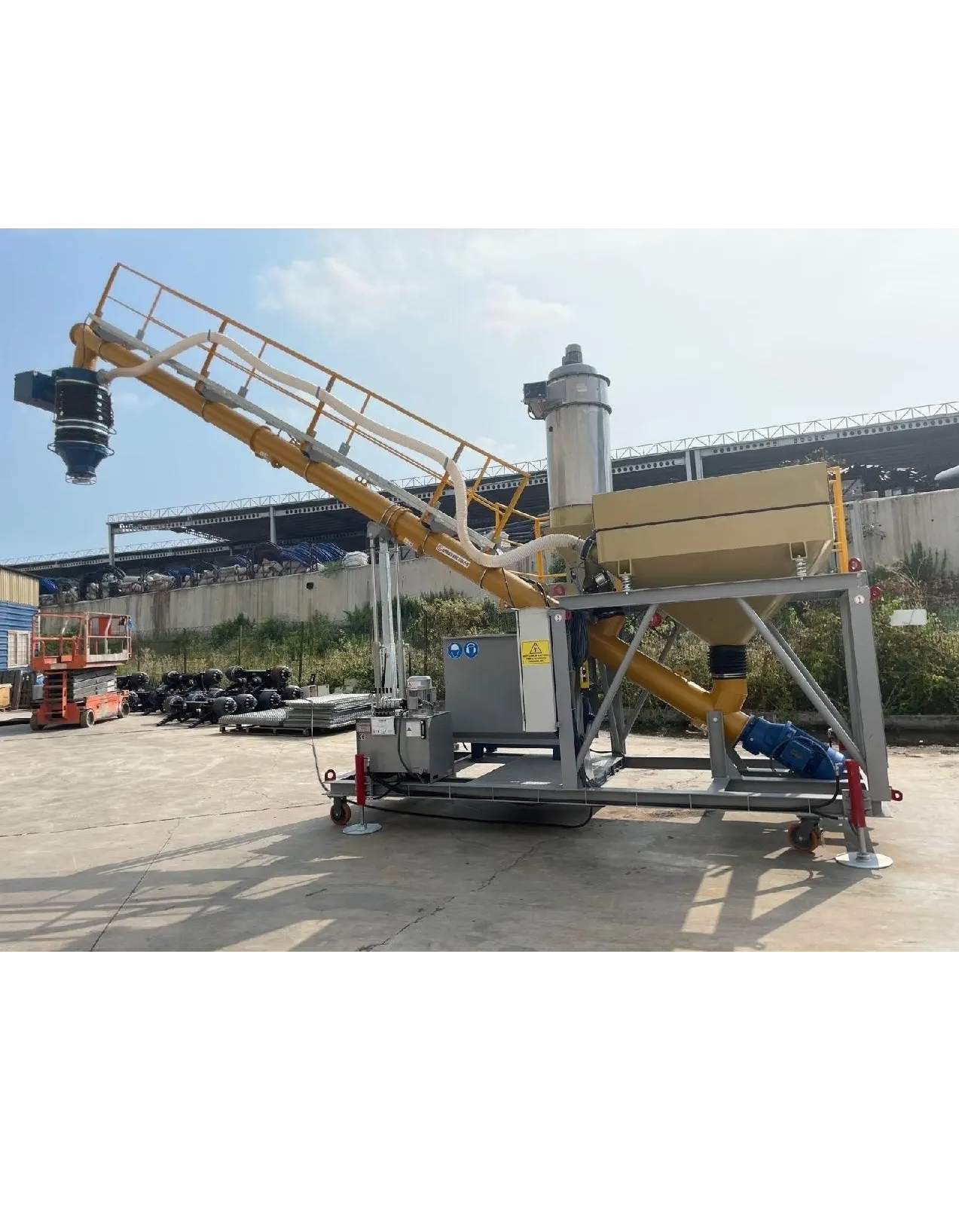
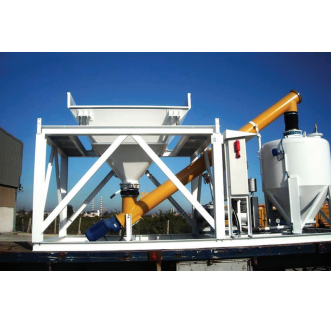
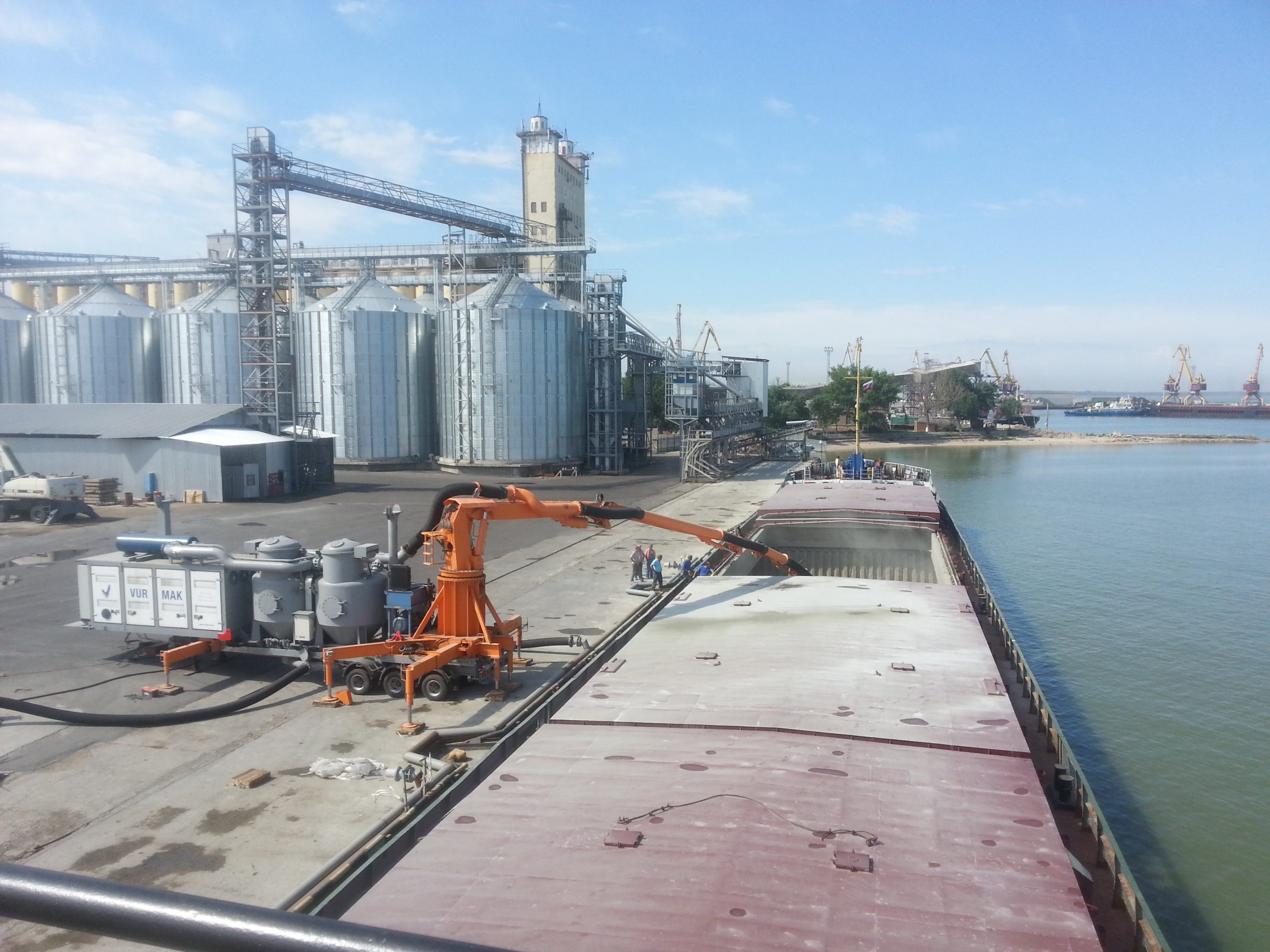
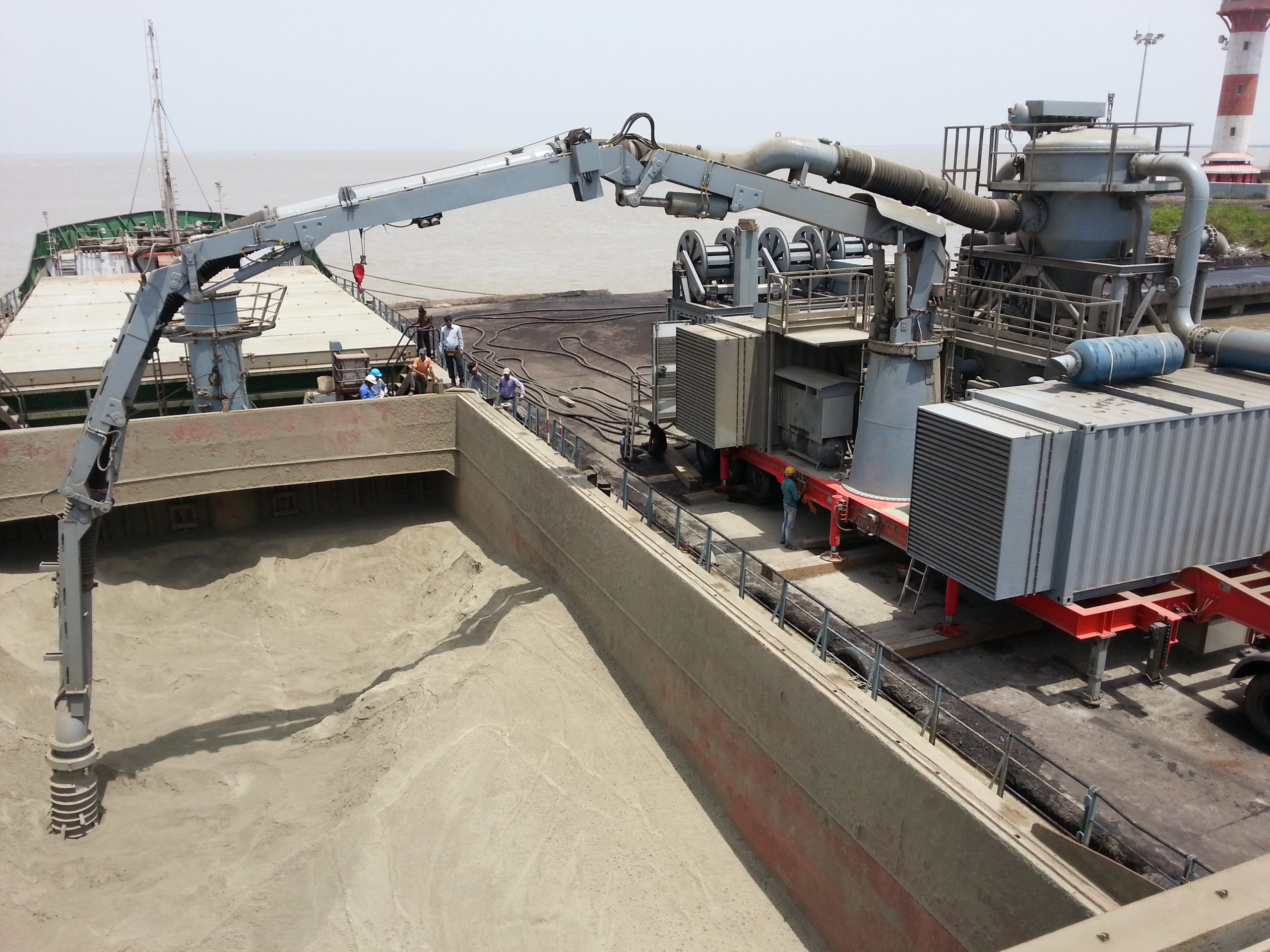
The two terms describe genuinely different kinds of mobility, and mixing them up leads to the wrong equipment. A road-mobile unit is built to move between ports entirely: it travels on the back of a truck, arrives as a single piece, and needs no site-specific installation. In practice that means it can be working within hours of arriving, with no foundations, no rails, and no civil works to budget for. A dock-mobile unit is mobile within a terminal, it can reposition along a quay to serve different berths, but it isn’t something you hitch up and drive to another port next month. It’s typically designed and built around the specifics of that one site.
The Real Variable Is Vessel Size, Not Mobility
This is where the two products actually diverge. Our ARIEL road-mobile unit handles vessels up to 7,500 dwt, moves material up to 250 meters, at up to 185 tph. Our ARIEL dock-mobile unit handles vessels up to 20,000 dwt, reaches up to 350 meters, at up to 300 tph. That gap isn’t arbitrary. A unit that has to fit on a truck and be transportable in one piece is physically constrained in a way a site-built installation isn’t. More conveying power and reach mean more structure, and more structure means it stops being road-transportable. The mobility trade-off and the capacity trade-off are the same trade-off, not two separate decisions.
When Multi-Terminal Flexibility Is Worth More Than Peak Capacity
If a company serves several smaller ports or terminals with irregular vessel calls, none of them individually generating enough volume to justify a permanent installation, a road-mobile unit wins even though a larger fixed unit could theoretically unload any single vessel faster. The unit earns its cost by staying busy across multiple sites instead of sitting idle at one. Utilization, not peak rate, is what decides the case here.
If a company runs one terminal that regularly receives larger vessels on a predictable schedule, a dock-mobile unit fully utilized at that site outperforms rotating a smaller road-mobile unit through it. The capacity is there when it’s needed, and it’s designed around that specific berth from the start.
What Getting This Choice Wrong Actually Costs
Underpowered choice: specifying a road-mobile unit for a terminal that regularly takes vessels above 7,500 dwt turns the unloader into the bottleneck. Whatever cost advantage the shipping side gained by chartering a larger vessel gets partly erased at the berth, because the unloading rate hasn’t scaled with the cargo.
Overbuilt choice: installing a dock-mobile unit at a site with irregular, low-volume calls ties up capital in a fixed asset that sits idle much of the year, when a road-mobile unit could have served that same volume, and other sites besides, for less.
Both mistakes are expensive, but in opposite directions, and only the call pattern tells you which one you’re closer to.
If you’re weighing this for a specific terminal, bring me your typical vessel size range and how often you actually receive calls, and we’ll work out which setup earns its cost.

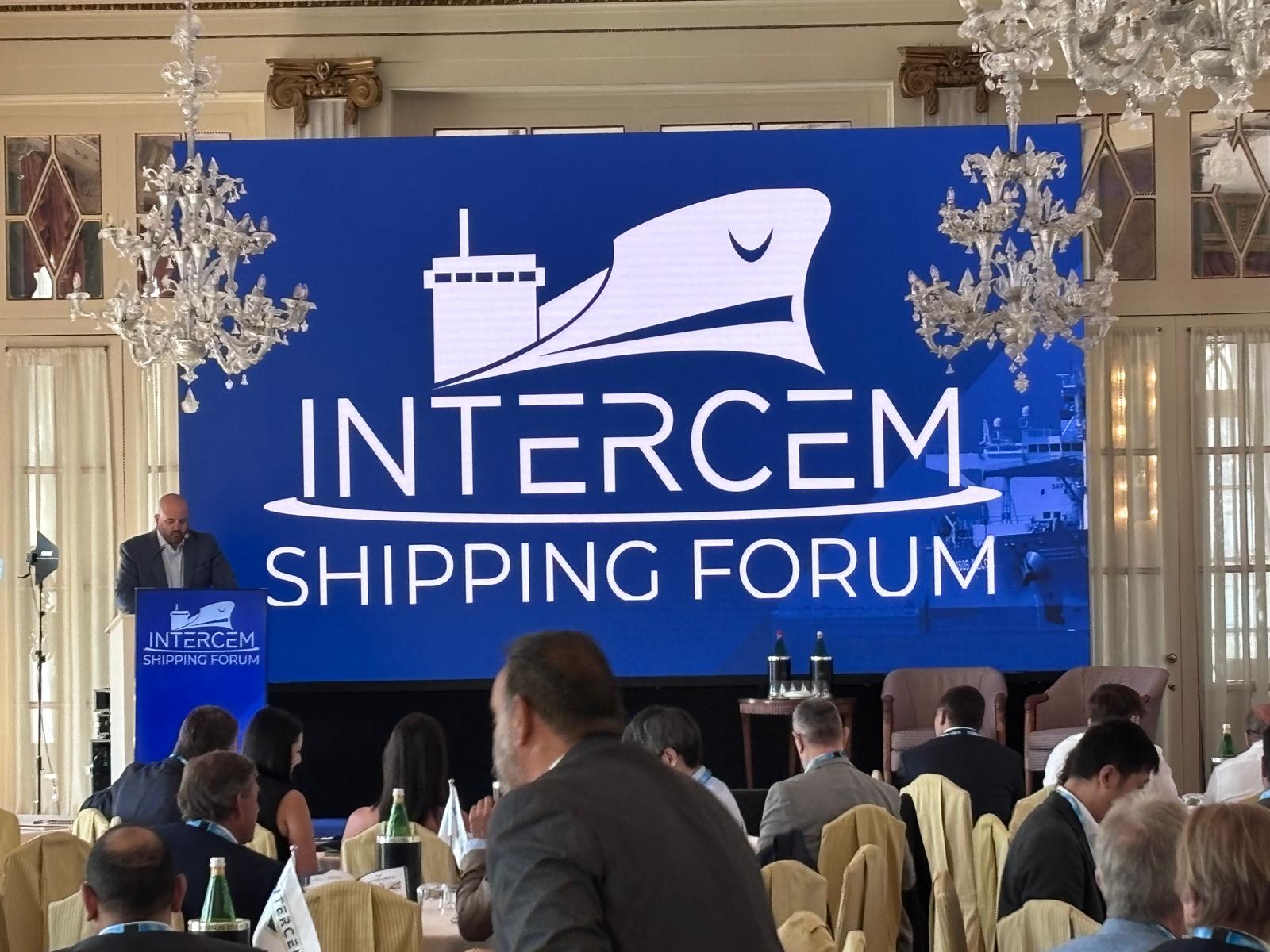
Vanguard Engineering Participated in the INTERCEM Shipping Forum 2026 On June 7, 2026, Vanguard Engineering participated in the INTERCEM Shipping Forum 2026 held in Naples, Italy. As global dry bulk logistics and shipping dynamics continued to evolve, Vanguard Engineering stood alongside industry leaders to present our advanced engineering solutions and mobile ship unloading technologies. During […]